
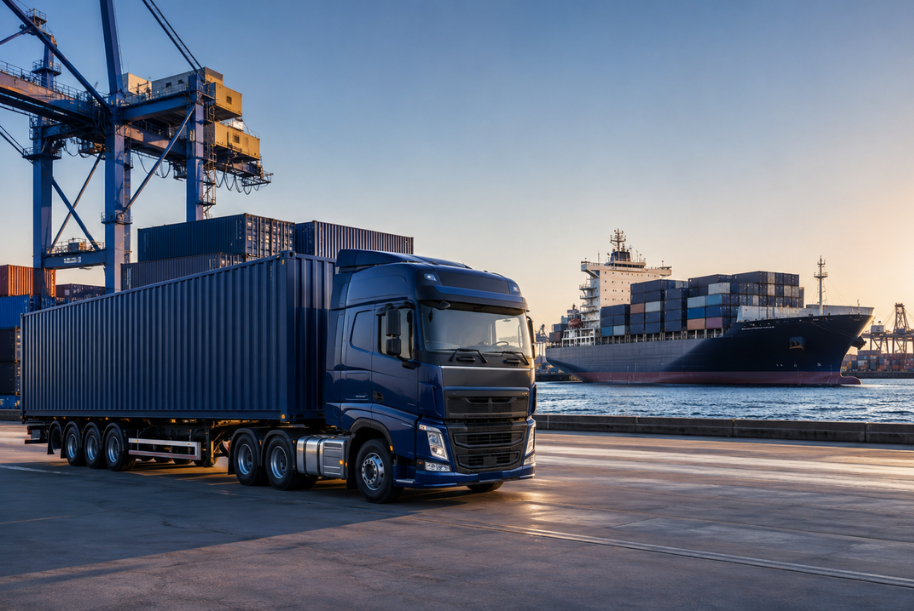
When goods are damaged, stolen or lost in transit, one question often determines which insurance policy may respond: who had the financial interest or responsibility at the time of the loss?
In short: Cargo owners generally arrange marine cargo insurance, while transport operators generally arrange carriers cover for customers’ goods. The actual protection depends on the policy wording.
For Australian businesses, carriers cargo insurance and marine cargo insurance can sound like interchangeable terms. Both relate to goods in transit, and both may respond to physical loss or damage. However, they are generally designed for different parties in the supply chain.
Marine cargo insurance is usually arranged by the owner of the goods, such as an importer, exporter, manufacturer, wholesaler or retailer. Carriers cargo insurance is generally arranged by a transport operator carrying goods for customers. The distinction matters because ownership, contractual responsibility, policy structure and claim triggers can differ.
At GIS, we look beyond the policy name. Insurance terminology varies between insurers, so the correct solution depends on the insured’s activities, contracts, cargo types, routes and responsibility for the goods.
What Is Carriers Cargo Insurance?
Carriers cargo insurance is designed for transport businesses carrying goods that belong to other people or businesses. It may suit road carriers, couriers, removalists, freight operators and other transport and logistics businesses responsible for customers’ property during transit.
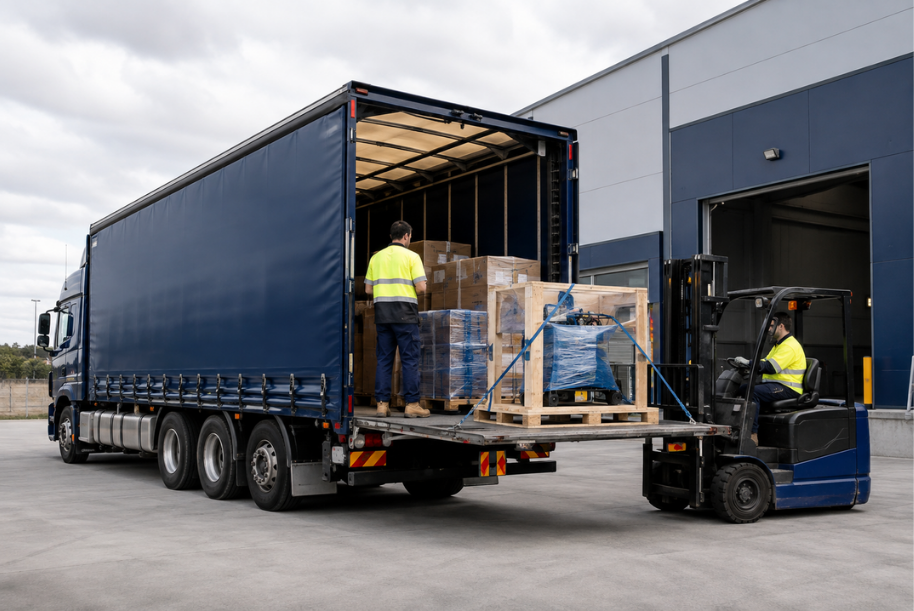
Depending on the wording selected, a carriers policy may provide accidental damage, insured perils or legal liability cover. It may respond to events such as collision, overturning, fire, theft or damage during loading and unloading, but cover is always subject to the policy’s terms, limits and exclusions.
The carrier should disclose the goods carried, maximum load values, routes, subcontracting, contracts and any depot or overnight storage. General freight, cold storage insurance considerations, motor vehicles, livestock, dangerous goods and high-value machinery can require different terms.
What Is Marine Cargo Insurance?
Marine cargo insurance is generally arranged by the business that owns or has an insurable interest in the goods. Despite the word “marine”, cover is not necessarily limited to ocean freight. Depending on the policy, it may apply to goods transported by sea, road, rail or air within Australia or internationally.
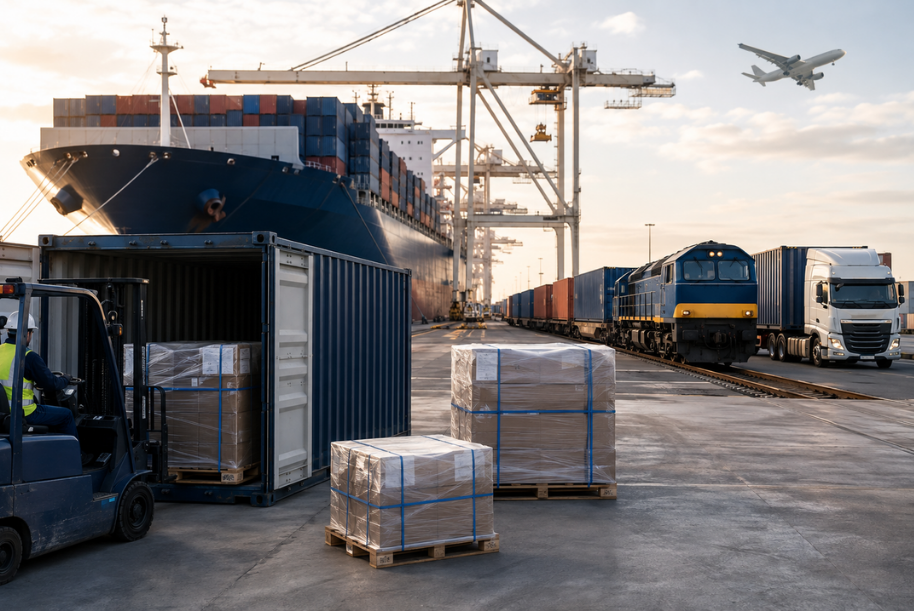
The policy is intended to protect the cargo owner’s financial interest if insured goods suffer physical loss or damage during an insured transit. Typical policy options may include accidental damage, theft, fire, collision, overturning, non-delivery and damage during loading, unloading or transhipment. Marine cargo policies may also address General Average and salvage contributions for sea voyages.
Cover may be arranged for a single shipment or through an annual policy covering regular shipments. Importers, exporters, insurance for manufacturing businesses, and wholesalers often consider annual cover when goods move frequently. A single-transit policy may be more suitable for an unusual, one-off or high-value consignment.
Carriers Cargo Insurance vs Marine Cargo Insurance: Key Differences
The clearest difference is the party being protected. Marine cargo insurance generally protects the cargo owner’s interest in the goods. Carriers cargo insurance generally protects a transport operator in connection with customers’ goods being carried.
Area | Carriers cargo insurance | Marine cargo insurance |
Typical policyholder | A transport operator carrying customers’ goods | The owner or party with an insurable interest in the goods |
Main purpose | Protects the carrier’s exposure relating to customers’ goods in transit | Protects the cargo owner’s financial interest in insured goods |
Policy structure | Commonly arranged as an annual policy | May be arranged annually or for a single transit |
Response basis | May offer accidental damage, insured perils or legal liability options | Generally responds to insured physical loss or damage under the cargo wording |
Typical users | Road carriers, couriers, removalists and logistics operators | Importers, exporters, manufacturers, wholesalers and retailers |
Key information | Cargo types, contracts, maximum loads, routes, subcontractors and depots | Goods, shipment values, routes, valuation, packing and storage in transit |
These are broad distinctions only. Product names and coverage structures differ between insurers, which is why the policy wording matters more than the label.
Because definitions, exclusions and disclosure requirements vary, businesses should also understand why marine transit claims can be rejected before selecting cover or commencing a shipment.
Who Owns the Goods and Who Should Arrange Cover?
Start by identifying which business would suffer the financial loss if the cargo were damaged. If an Australian importer has paid for a container of stock and bears the transit risk, the importer may need marine cargo insurance. If a road transport company is engaged to move that container from the port to a warehouse, the carrier may need carriers cargo or liability cover for its separate exposure.

Sale contracts and Incoterms can affect when transit risk transfers between buyers and sellers. Paying the freight does not always mean bearing the risk, and ownership does not automatically determine every insurance obligation. Businesses should confirm when risk transfers, who must arrange insurance and whether the insured value reflects the full exposure.
How Is Carrier Liability Different from Cargo Insurance?
Carrier liability and cargo insurance are often confused, but they should not be treated as identical.
Carrier liability concerns the carrier’s legal or contractual responsibility for loss, damage or delay. A liability claim may depend on the contract of carriage, the accepted terms and conditions, the cause of the loss and whether the carrier is legally liable. Contractual limits or exclusions may also affect the amount recoverable from the carrier.
Cargo-owner insurance generally responds to insured physical loss or damage to the goods under the cargo policy. The cargo owner usually claims against its own insurer, subject to the policy terms, rather than relying solely on proving the carrier’s liability.
Some carriers’ policies provide legal liability cover, while others may offer accidental damage or insured-perils options. A transport operator should not assume that having a consignment note, a general liability insurance policy or a customer’s cargo policy removes the need to review its own exposure.
Is Goods in Transit Insurance the Same as Marine Cargo Insurance?
Goods in transit insurance is a broad description rather than one universal product. Insurers may use it for goods carried in a business’s own vehicles, customers’ goods carried by professional carriers, domestic single transits or other transit arrangements.
Marine cargo insurance can also cover domestic and international movements across several transport modes. The terms may overlap, but they should not be used interchangeably without checking the wording.
For example, a manufacturer delivering its own products in company vehicles may require own-goods-in-transit cover. A professional carrier moving customers’ products has a different exposure. An importer receiving stock from overseas may require annual marine cargo cover extending through the relevant inland journey.
Do Transport Operators Need More Than One Type of Cover?
Potentially. Carriers’ cargo insurance addresses only part of a transport business’s risk profile. Depending on its operations, a transport company may also need commercial motor insurance, public liability, transport or logistics liability, property, business interruption insurance, workers’ compensation insurance and cyber insurance.
Truck and fleet operators can also review these common commercial truck insurance gaps when assessing whether their vehicles, cargo, liability and downtime exposures are adequately addressed.

The insurance program should also reflect subcontractors, warehousing, freight forwarding, packing, refrigerated transport, dangerous goods and contractual liabilities. A business that only transports sealed general freight presents a different risk from one that stores stock, consolidates loads, handles temperature-sensitive goods or accepts responsibility beyond ordinary negligence.
At GIS, we review the complete movement of goods rather than treating each policy in isolation. This helps identify gaps between cargo, carriers, motor, liability and property covers.
Frequently Asked Questions
Q1. Does marine cargo insurance only cover sea freight?
Ans 1. No. Depending on the policy, marine cargo insurance may cover goods moved by sea, air, road or rail, including domestic and international transit. The route, transport method, start and end points and any temporary storage should be declared accurately.
Q2. Who normally buys carriers' cargo insurance?
Ans 2. It is generally arranged by professional transport operators carrying customers’ goods. This can include trucking businesses, couriers, freight operators and specialist carriers. Eligibility and cover depend on the cargo, contracts and operating model.
Q3. Can a cargo owner rely on the carrier’s insurance?
Ans 3. Relying solely on the carrier can leave uncertainty. The carrier’s responsibility may be limited by its contract, while its insurance protects its own insured interest. Cargo owners should assess whether separate marine cargo insurance is appropriate for the value and nature of their goods.
Q4. What affects the cost of cargo insurance?
Ans 4. Insurers may consider cargo type, shipment values, annual turnover, routes, transport modes, packing, claims history, security, storage, temperature controls, limits and excesses. Higher-value, fragile, hazardous or theft-attractive goods may require specialist terms.
Q5. Can one policy cover every type of cargo?
Ans 5. Not automatically. Policies may exclude or restrict vehicles, livestock, dangerous goods, chilled products, fine art, household removals or unusually valuable items. Cargo types and maximum values should be disclosed before cover is arranged.
Q6. Do I need cargo insurance if the freight company has insurance?
Ans 6. Potentially. A freight company’s insurance may protect its liability rather than the full value of your goods. Its responsibility may also be limited by the contract of carriage. If your business bears the financial risk in the goods, separate marine cargo insurance may provide more direct protection, subject to the policy.
Q7. Who is responsible for insuring goods in transit?
Ans 7. Responsibility depends on the sale contract, transport agreement and the point at which risk transfers between the buyer and seller. Incoterms may also specify which party must arrange insurance. Businesses should confirm these responsibilities before the goods leave their point of origin.
Q8. Is marine cargo insurance mandatory in Australia?
Ans 8. Marine cargo insurance is not generally compulsory for every Australian business. However, it may be required under a sale contract, finance agreement or trading arrangement. Certain Incoterms may also place responsibility for arranging insurance on the buyer or seller.
Q9. Does commercial motor insurance cover goods inside a vehicle?
Ans 9. Commercial motor insurance generally covers the insured vehicle and specified motor-related liabilities. It does not automatically insure stock, equipment or customers’ goods being transported inside the vehicle. Separate goods in transit, marine cargo or carriers cargo cover may be required.
Q10. Does marine cargo insurance provide warehouse-to-warehouse cover?
Ans 10. Some marine cargo policies provide warehouse-to-warehouse cover for the defined insured transit. This does not necessarily mean goods are covered during unlimited storage. Cover may begin and end at specified locations or after defined time limits, so the transit and storage provisions should be checked carefully.
Q11. Should I choose single-transit or annual marine cargo insurance?
Ans 11. Single-transit insurance may suit an occasional or one-off shipment. Annual marine cargo insurance may be more appropriate for businesses that regularly import, export or transport goods. The suitable option depends on shipment frequency, cargo values, routes and the types of goods being moved.
Q12. What is the General Average in marine cargo insurance?
Ans 12. General Average may apply when cargo or expenditure is deliberately sacrificed to protect a vessel and the remaining cargo during an emergency. Cargo owners may be required to contribute towards the resulting costs. Marine cargo insurance may cover eligible General Average contributions, subject to the policy wording.
Q13. Does marine cargo insurance cover delayed delivery?
Ans 13. Delay by itself is commonly excluded from marine cargo policies. The policy may respond if the goods suffer insured physical loss or damage, but it may not cover lost sales, contractual penalties or other financial losses caused solely by late delivery. The relevant exclusions should be reviewed.
Q14. What does marine cargo insurance not cover?
Ans 14. Exclusions vary between insurers but may include delay, ordinary wear and tear, inherent defects, inadequate packing, wilful misconduct and undeclared or restricted cargo. Some goods, destinations and storage arrangements may also require specific approval. The policy wording should always be reviewed before transit begins.
Q15. What should I do if cargo is damaged or lost in transit?
Ans 15. Notify your insurance broker as soon as possible and take reasonable steps to prevent further loss. Keep the damaged goods available for inspection and retain photographs, invoices, packing records, consignment notes and transport documents. The carrier should also be notified within any applicable claim timeframe. For further guidance on reporting an incident and starting the claims process, visit GIS’s claims information page.
Speak to a Marine Insurance Specialist
The right policy depends on more than whether goods are described as freight, cargo or stock. The key questions are who owns the goods, who carries them, when risk transfers, what contracts apply and which events the policy is intended to cover.
GIS helps Australian cargo owners, importers, exporters and transport operators review these exposures and arrange insurance suited to their actual activities. Speak to our team on 1300 710 665 to discuss carriers cargo insurance, marine cargo insurance or a broader transport insurance program.
Important notice
This article is of a general nature only and does not take into account your specific objectives, financial situation or needs. It is also not financial advice, nor complete, so please discuss the full details with your insurance broker as to whether these types of insurance are appropriate for you. Deductibles, exclusions and limits apply. You should consider any relevant Target Market Determination and Product Disclosure Statement in deciding whether to buy or renew these types of insurance. Various insurers issue these types of insurance and cover can differ between insurers.
This article provides information rather than financial product or other advice. The content of this article, including any information contained in it, has been prepared without taking into account your objectives, financial situation or needs. You should consider the appropriateness of the information, taking these matters into account, before you act on any information. In particular, you should review the product disclosure statement for any product that the information relates to it before acquiring the product.
Information is current as at the date the article is written as specified within it but is subject to change. Global Insurance Solutions Pty Ltd make no representation as to the accuracy or completeness of the information. Various third parties have contributed to the production of this content. All information is subject to copyright and may not be reproduced without the prior written consent of Global Insurance Solutions Pty Ltd.

Risk Advisor, Insurance Broker & Director
With around 15 years in insurance, Yuvi Singh is a passionate Risk Advisor, Director, and Insurance Broker at Global Insurance Solutions. Backed by a Commerce degree and ANZIIF diploma, Yuvi leads a team servicing SMEs across industries like manufacturing, logistics, fuel, IT, and more. At GIS, clients benefit from tailored, transparent advice, access to 150+ insurers, and end-to-end risk solutions. Recognised as a 2022 Insurance Magazine Rising Star and 2024 Top Insurance Broker by Insurance Business Australia, Yuvi delivers flexible, effective outcomes with integrity and innovation.