
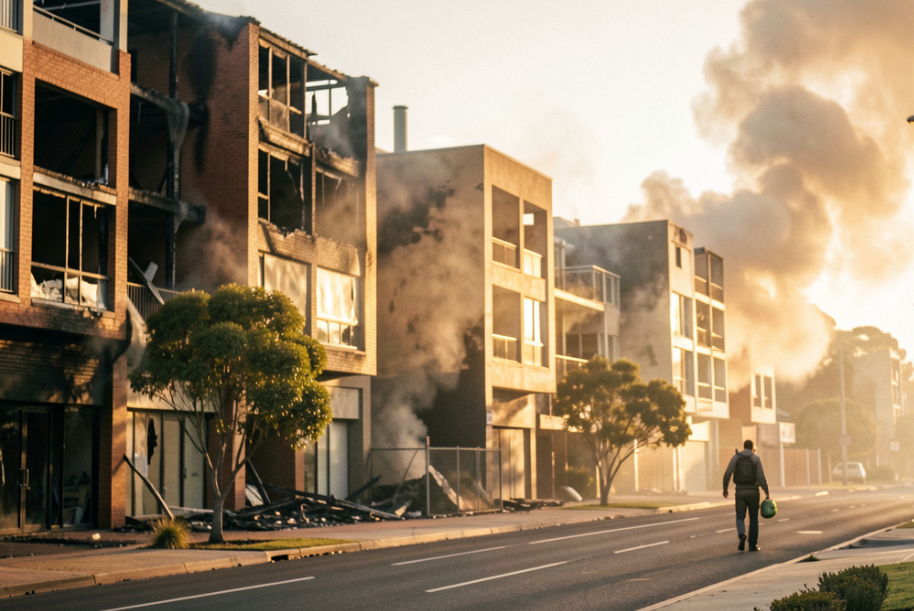
Most property owners only discover how their building insurance works when a problem arises.
A fire. A major water leak. Storm damage. A tenant incident.
And that is when many realise their policy does not respond the way they expected.
At Global Insurance Solutions, we are often brought in after a claim has already stalled, been reduced, or declined.
In almost every case, the issue is not that the owner had no insurance. It is that the building and contents insurance was structured incorrectly from the start.
This article explains why building insurance claims fail in Australia, what insurers actually assess at claim time, and how property owners can avoid the most common traps.
The Biggest Myth About Building Insurance
The most damaging belief we see is this:
“If the building is damaged, my building insurance will fix it.”
That assumption is wrong more often than people realise.
Building insurance only responds if:
- The damage is caused by an insured event
- The building is insured for the correct value
- The property use matches what was disclosed
- Policy conditions have been complied with
Failing on any one of these can result in reduced payouts or outright denial.
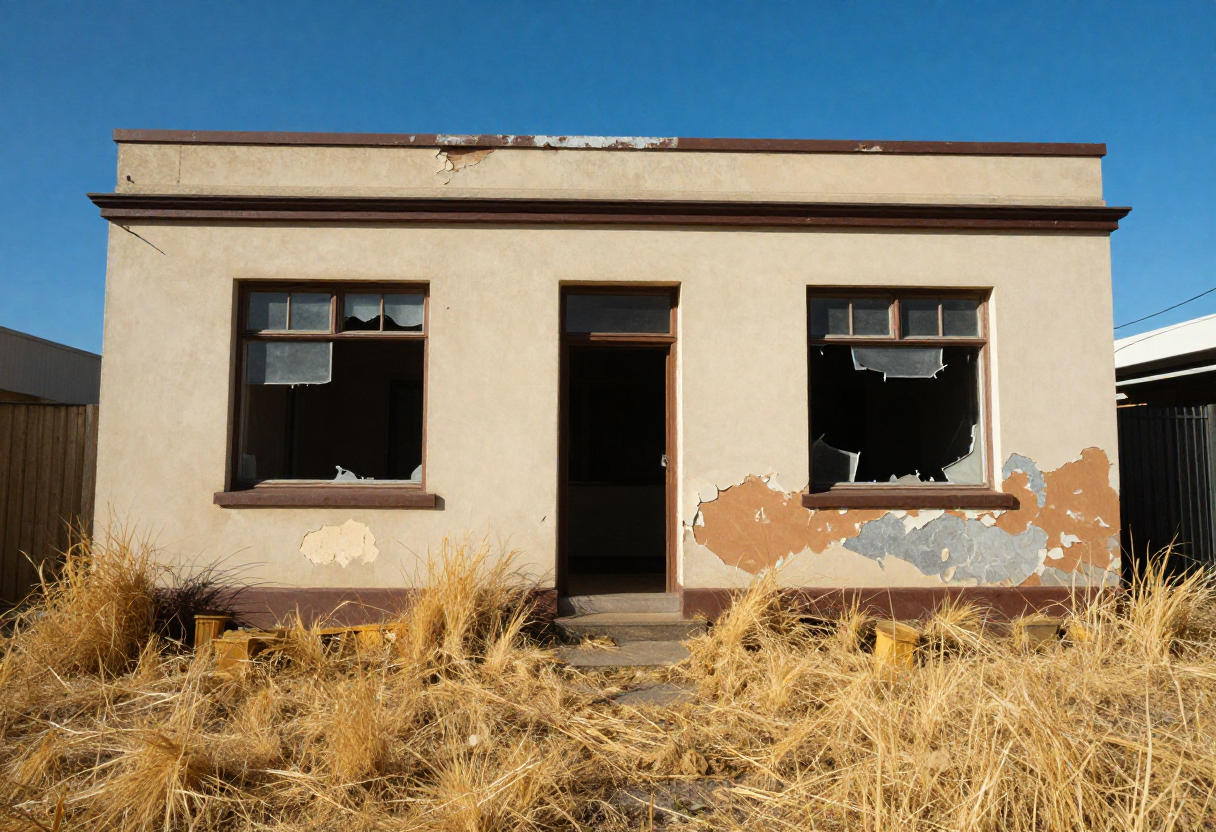
Underinsurance: The Silent Claim Killer
Underinsurance is the leading reason building claims fail to pay out fully.
Many properties are insured based on:
- Market value instead of rebuild cost
- Outdated valuations
- Incomplete inclusion of demolition, debris removal, and professional fees
The Insurance Council of Australia has confirmed that rebuilding costs have increased significantly due to material and labour shortages, leaving many buildings insured well below replacement cost
Source: https://insurancecouncil.com.au/resource/underinsurance-in-australia/
This affects commercial building insurance, strata policies, and residential properties equally.
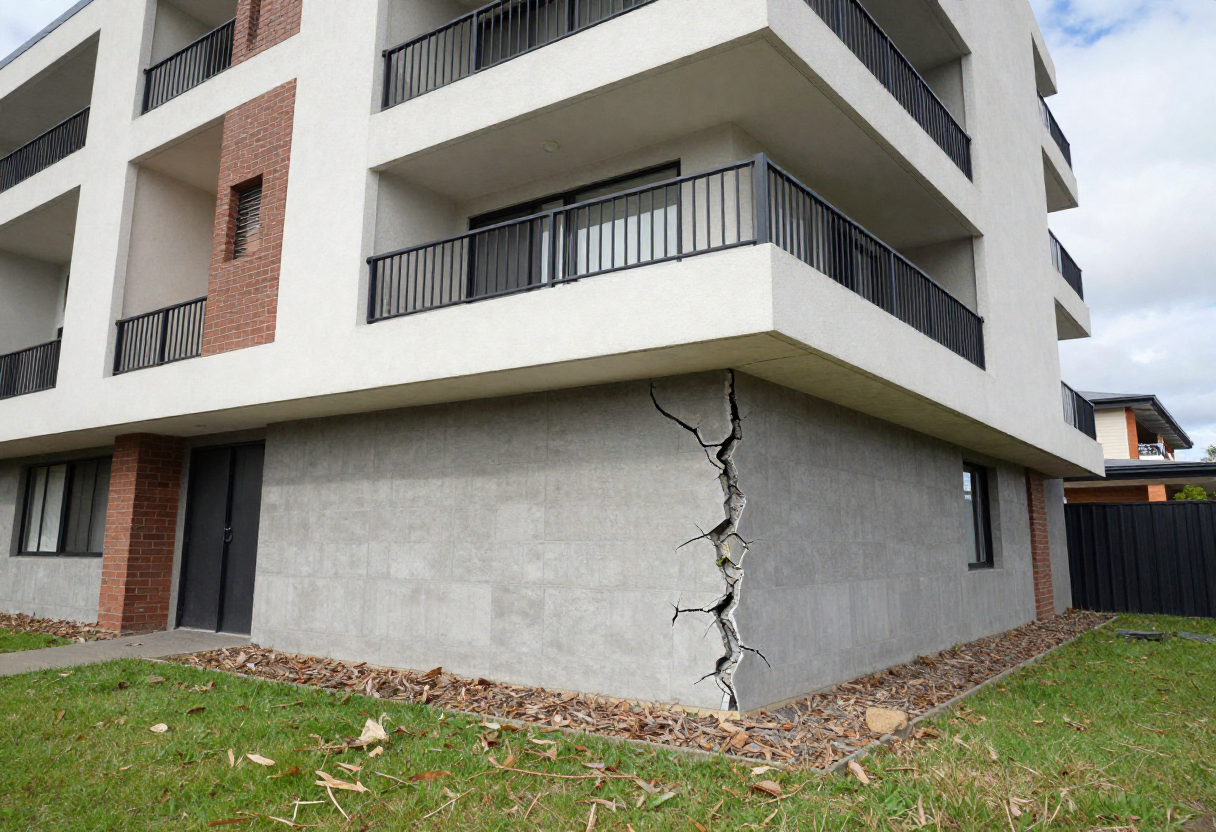
When “Building” and “Contents” Are Not Clearly Defined
Search engines are full of confusion around building contents insurance for a reason.
Insurers may classify the following differently:
- Internal walls and partitions
- Floor coverings
- Air-conditioning units
- Solar panels
- Tenant-installed fixtures
If something is incorrectly declared as building instead of contents, or vice versa, a claim can fail.
This issue is especially common in commercial building insurance, where fit-outs and plant are substantial.
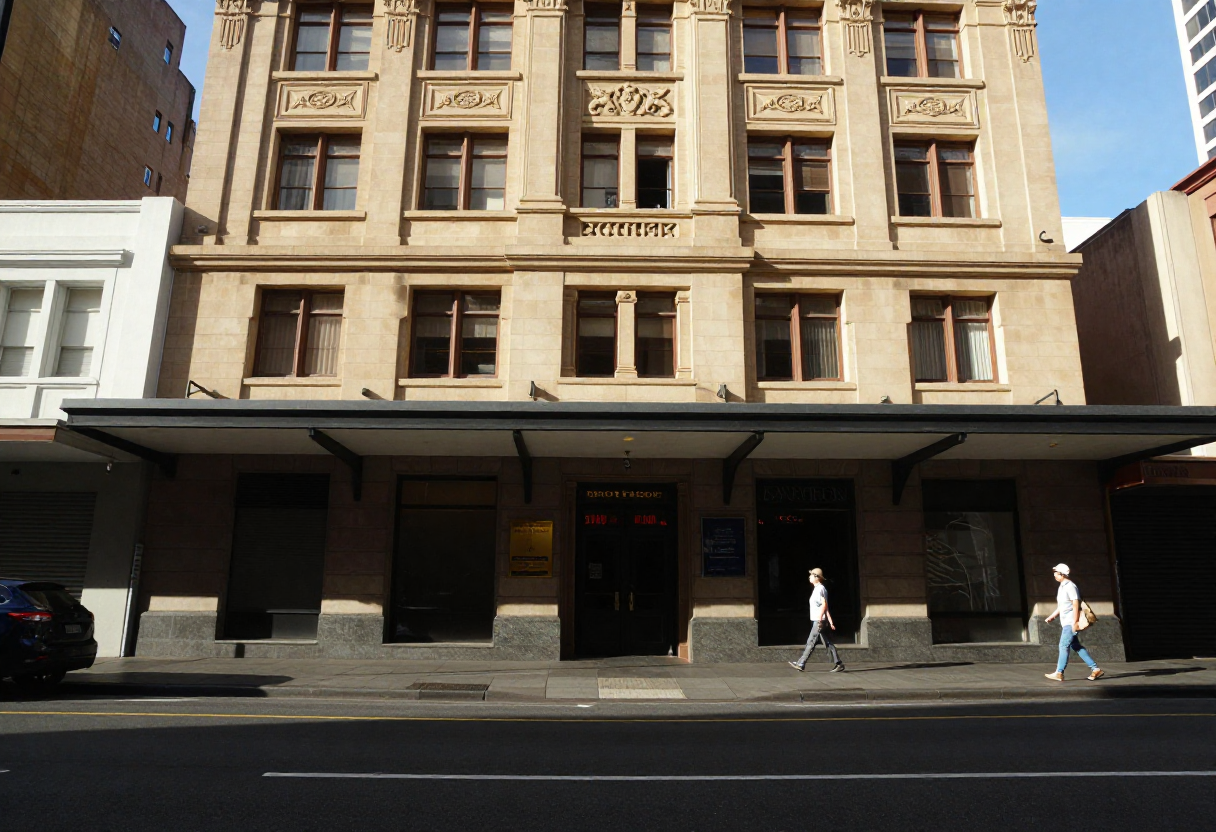
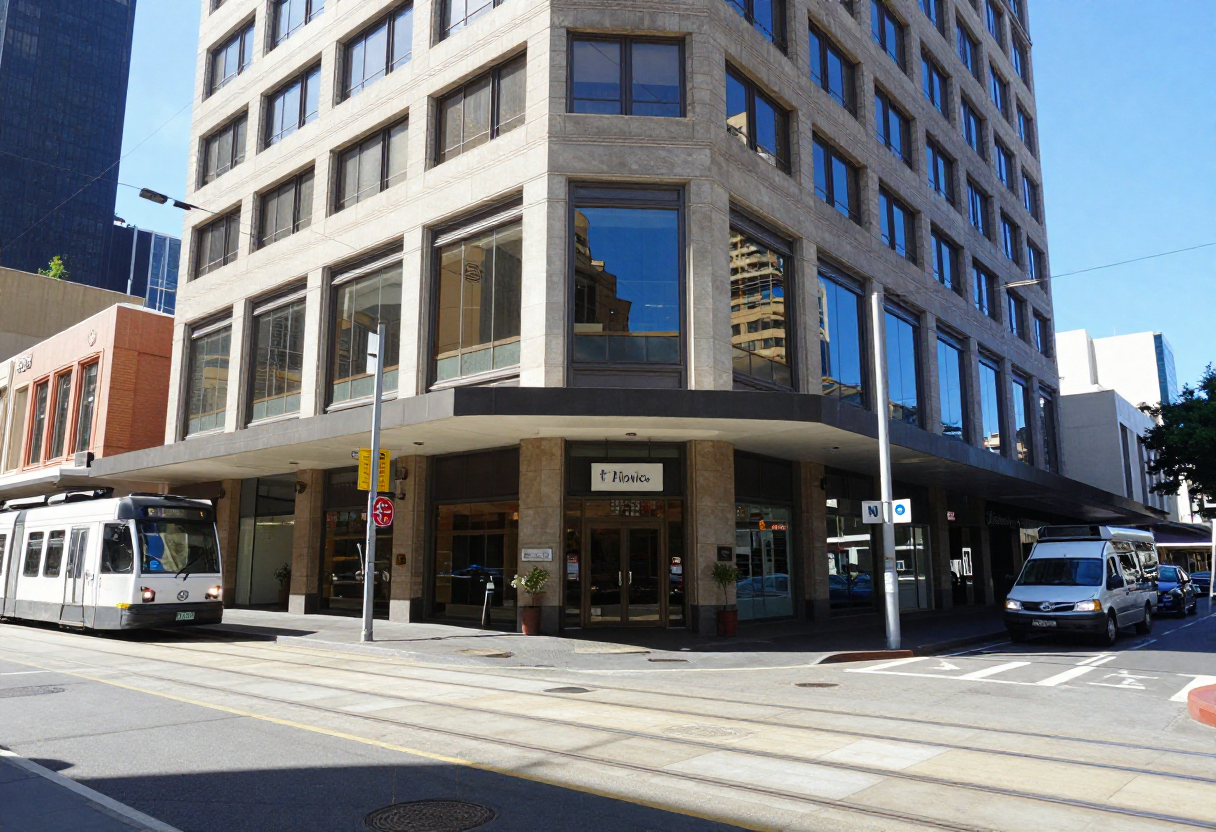
Commercial Building Insurance: Complexity Equals Risk
Commercial building insurance is one of the most misunderstood policies in Australia.
Claims commonly fail due to:
- Incorrect occupancy declarations
- Failure to disclose changes in use
- Vacancy conditions are being breached
- Exclusions for accidental damage
Businesses searching for commercial building insurance in NSW, QLD, or Victoria often focus on premium comparison rather than wording differences. That mistake shows up at claim time.
Buildings with high values or complex commercial occupancies may need an Industrial Special Risks policy rather than standard building insurance.
We’ve curated a detailed blog on Factors affecting commercial property insurance premiums, tap to read.
Strata and Apartment Claims: Who Is Actually Responsible?
One of the most searched questions is:
Do I need building insurance for a strata unit?
In strata properties:
- The body corporate insures the building structure
- Individual owners insure contents and internal improvements
- Responsibility can overlap depending on policy definitions
Disputes often arise when damage occurs inside a unit, but the insurer classifies it as the lot-owner’s responsibility.
NSW legislation requires strata schemes to insure buildings, but it does not eliminate grey areas.
Source: https://www.nsw.gov.au/housing-and-construction/strata/insurance
This affects apartment building insurance, insurance for body corporate buildings, and townhouse developments.
Landlord Insurance vs Building Insurance: A Costly Assumption
Another major cause of failed claims is confusing landlord insurance v/s building insurance.
To know the full detailed comparison, tap to read here.
Landlord insurance covers:
- Loss of rent
- Tenant damage
- Liability relating to tenants
It does not rebuild your property.
We regularly see investment property owners with landlord insurance but insufficient building insurance, assuming one replaces the other.
Water Damage: The Most Disputed Building Claim
Does building insurance cover water leaks?
This is one of the most disputed areas of claim in Australia.
Generally:
- Sudden and accidental damage may be covered
- Gradual leaks, poor maintenance, and wear are usually excluded
Many claims fail because the insurer determines the damage occurred over time, even if the leak was only noticed recently.
Accidental Damage and Fire Exposure
Accidental damage to buildings insurance is not automatic. Many policies restrict or exclude it unless specifically added.
Fire remains the largest source of catastrophic building losses. Fire and Rescue NSW confirms that electrical faults and equipment failure are major contributors.
Without appropriate building fire insurance or fire insurance for commercial buildings, losses can exceed policy limits quickly.
Vacancy and Unoccupied Buildings
Standard policies often restrict cover once a building is:
- Vacant
- Unoccupied
- Under renovation
Claims frequently fail because insurers were not notified. This is where vacant building insurance, unoccupied building insurance, or short-term building insurance becomes essential.
How to Avoid a Failed Building Insurance Claim?
Building insurance failures are usually preventable.
At Global Insurance Solutions, we focus on:
- Correct rebuilding valuations
- Clear building vs contents definitions
- Matching policy wording to real-world use
- Identifying exclusions before claims occur
This approach significantly reduces claim disputes.
Final Thought
If your building insurance only makes sense when nothing goes wrong, it is not doing its job.
Claims do not fail because people are unlucky.
They fail because the cover was misunderstood.
📞 Speak with Global Insurance Solutions on 1300 710 665
FAQs (Claim-Focused)
Q1. Why do building insurance claims get rejected?
Most failures relate to exclusions, underinsurance, incorrect declarations, or policy conditions not being met.
Q2. Is home insurance the same as building insurance?
Not always. Home insurance may bundle covers, while commercial and strata buildings require separate policies.
Q3. Do vacant buildings need different insurance?
Yes. Standard policies often restrict or exclude cover during vacancy.
Q4. What is accidental damage in buildings insurance?
Sudden, unintended physical damage not otherwise excluded, subject to strict definitions.
Also Read: Why fire insurance matters for commercial buildings
Explore : Building & Construction Insurance | Restaurant & Cafes Insurance | Landlord Insurance
Important notice
This article is of a general nature only and does not take into account your specific objectives, financial situation or needs. It is also not financial advice, nor complete, so please discuss the full details with your insurance broker as to whether these types of insurance are appropriate for you. Deductibles, exclusions and limits apply. You should consider any relevant Target Market Determination and Product Disclosure Statement in deciding whether to buy or renew these types of insurance. Various insurers issue these types of insurance and cover can differ between insurers.
This article provides information rather than financial product or other advice. The content of this article, including any information contained in it, has been prepared without taking into account your objectives, financial situation or needs. You should consider the appropriateness of the information, taking these matters into account, before you act on any information. In particular, you should review the product disclosure statement for any product that the information relates to it before acquiring the product.
Information is current as at the date the article is written as specified within it but is subject to change. Global Insurance Solutions Pty Ltd make no representation as to the accuracy or completeness of the information. Various third parties have contributed to the production of this content. All information is subject to copyright and may not be reproduced without the prior written consent of Global Insurance Solutions Pty Ltd.

Risk Advisor, Insurance Broker & Director
With around 15 years in insurance, Yuvi Singh is a passionate Risk Advisor, Director, and Insurance Broker at Global Insurance Solutions. Backed by a Commerce degree and ANZIIF diploma, Yuvi leads a team servicing SMEs across industries like manufacturing, logistics, fuel, IT, and more. At GIS, clients benefit from tailored, transparent advice, access to 150+ insurers, and end-to-end risk solutions. Recognised as a 2022 Insurance Magazine Rising Star and 2024 Top Insurance Broker by Insurance Business Australia, Yuvi delivers flexible, effective outcomes with integrity and innovation.